With the popularization of technology, remote-controlled lawnmowers have become a great help for home yards and small lawn maintenance due to their convenience and efficiency. However, during use, due to factors such as operating methods, environmental factors, and improper maintenance, the machines are bound to experience various malfunctions, which not only affect mowing efficiency but may also shorten the equipment's lifespan. Mastering the solutions to common problems can ensure the lawnmower operates continuously and stably, easily meeting lawn maintenance needs.
Starting difficulties are the most common problem with remote-controlled lawnmowers, often related to power and control components. Some users encounter situations where the remote cannot start or the engine won't ignite, which is usually caused by a dead remote battery, the throttle switch not being set to the start position, or a blocked fuel line. To resolve this, replace the remote battery, check the throttle switch position, and clean any blocked fuel lines. Using 95-octane unleaded gasoline can reduce the risk of further malfunctions. Additionally, an improperly positioned choke can also affect starting; manually adjusting the choke to the correct position and then pressing the start button on the remote should resolve the issue.
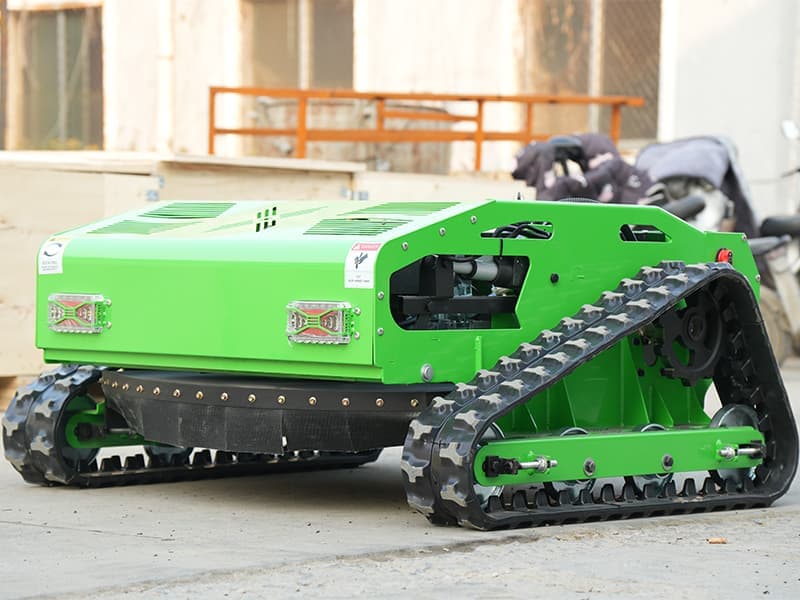
Severe shaking and abnormal noise during operation require thorough inspection of the blades and mechanical components. Hitting hard objects such as stones or branches while mowing can easily cause the blades to bend or break, leading to machine vibration. Failure to replace these blades over time can also damage the engine head gasket. If vibration is detected, stop the machine immediately for inspection, replace any damaged parts promptly, and clear debris from the lawn to prevent further damage.
Shortened battery life and abnormal charging are common problems with electric remote-controlled lawnmowers. If the working time is significantly reduced after a full charge, it may be due to battery aging or poor charger contact. Regularly charging unused batteries and cleaning debris and oxide from the charging contacts can effectively improve this situation. If the machine cannot charge or automatically shuts down while charging, check the charging dock's power connection to ensure good contact. If the battery temperature is too high, allow it to cool in a shady place before charging.
Remote control malfunctions and machine deviations are common problems that plague users. Reduced remote control distance or inability to control the machine are often due to signal obstruction or low battery power; removing obstructions and replacing the batteries will restore functionality. Machine deviation may be caused by improper boundary line settings or wheel slippage; adjusting the boundary line position and clearing mud and weeds from the wheels will ensure accurate trajectory.
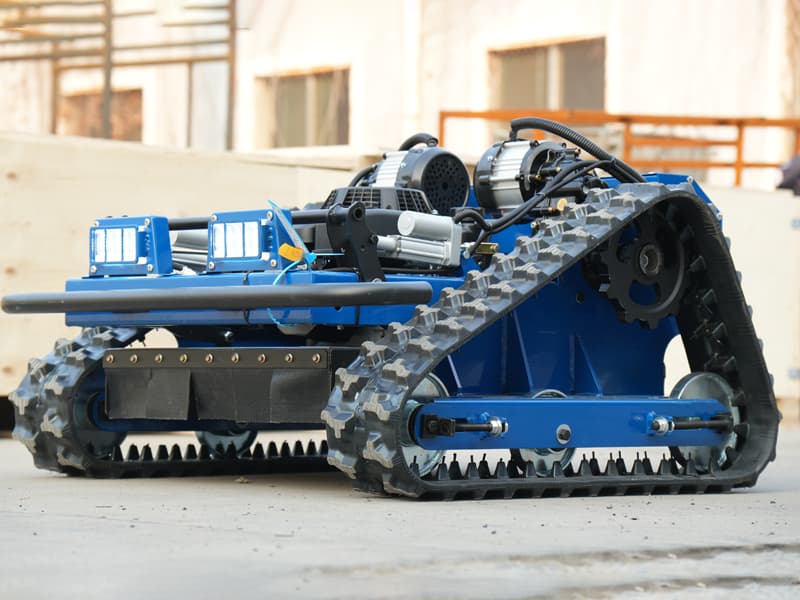
In fact, most malfunctions can be avoided through routine maintenance. Taking a 10-minute break every two hours of use effectively reduces machine load; avoid rain and impacts from hard objects; store in a well-ventilated, dry place when not in use; regularly change the oil and inspect the blades and protective components. Mastering these practical methods can quickly resolve common problems, extend the lifespan of your remote-controlled lawnmower, and make lawn maintenance more worry-free and efficient.