Summer's high temperatures and frequent rains make it a crucial period for lawn care, and also the time when lawnmowers experience the highest usage frequency and the fastest wear and tear. Proper operation of lawnmowers not only improves mowing results and extends equipment lifespan but also eliminates safety hazards. This practical summer usage guide, combining information on new tracked lawnmowers (including models with an 800mm ultra-wide cutting width, remote control, and dual-motor power) with reference to traditional models, helps everyone efficiently and safely complete lawn care tasks.
一、Pre-operation preparation: Identify potential hazards and adapt to summer working conditions.
Summer's high temperatures and humidity can easily cause equipment aging and component jamming, so a thorough inspection is essential before operation. First, check that the lawnmower blades are sharp and secure; any worn or deformed blades should be sharpened or replaced immediately. For newer tracked models, also check the track tension to prevent slippage. For fuel-powered models, check that the fuel and engine oil levels are sufficient; use high-temperature compatible oil in summer. For electric models, ensure the battery is cooling properly and there are no bulges or leaks. Second, clear the work area, removing stones, branches, and other debris. For newer extra-wide mower models, expand the clearing area; allow any standing water on the lawn to dry before operation. Finally, operators must wear long-sleeved shirts, non-slip gloves, and other protective gear. Operators of remote-controlled models should choose a safe area with a clear view.
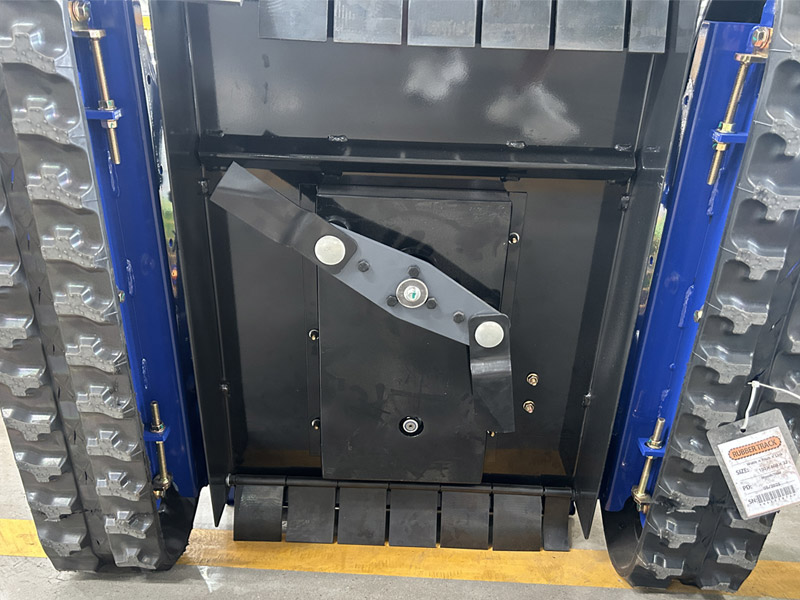
二、Core Operating Procedures: Scientific Operation, Balancing Efficiency and Maintenance
Summer operations should avoid peak heat hours, prioritizing 6:00-9:00 AM or after 5:00 PM. Dual-motor models should be stopped for 10-15 minutes to allow for cooling every 1.5-2 hours. Operation is strictly prohibited during heavy rain or thunderstorms. The recommended mowing height is 5-8cm to avoid exposing the lawn roots. New tracked models allow for precise remote blade height adjustment. Dense weed areas can be mowed in two stages to reduce motor load.
When operating, follow the principle of "from the inside out, proceed at a constant speed." New ultra-wide mowing models should avoid sudden turns and stops. In complex areas such as steep slopes and wetlands, prioritize remote control mode; close-range operation is strictly prohibited. If weeds exceed 15cm in height, manually trim the excess first. New dual-motor models can adjust power output according to weed density to increase cutting force. If any abnormal noises or vibrations are observed during operation, stop the machine immediately for inspection.
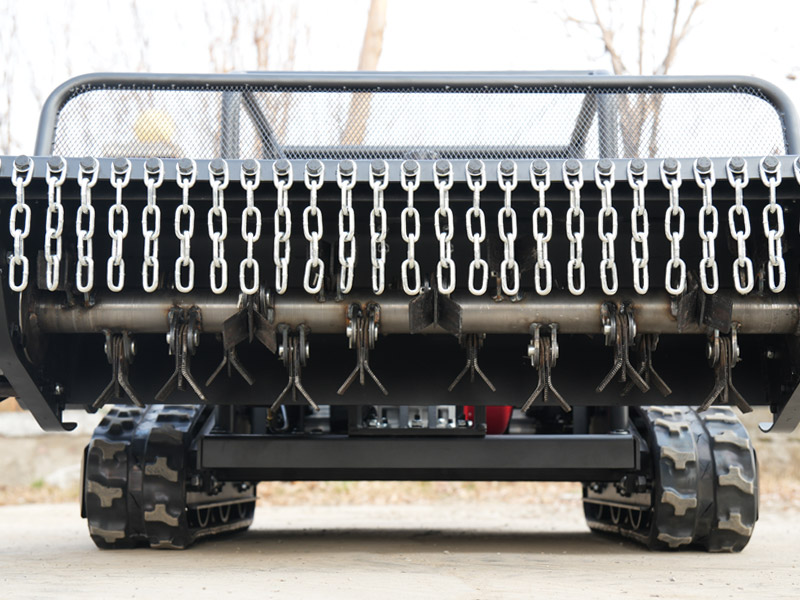
三、ummer-Specific Maintenance: Moisture Prevention and Cooling to Extend Equipment Lifespan
After operation, promptly clean the equipment surface of weeds and dirt, paying particular attention to cleaning the blades, tracks, and motor cooling vents. Turn off the power during cleaning and use a soft brush; avoid washing the motor, wiring, and remote control components with water. Store the equipment in a well-ventilated, cool, and dry place, avoiding direct sunlight and rain. For electric motor models, remove the batteries and store them separately. For fuel-powered models, check the fuel tank's seal to prevent fuel evaporation or water ingress.
Regular maintenance is required. Check the blades, tracks, wiring, and battery status weekly. Sharpen the blades periodically. Check the engine oil and lubricating oil every two weeks and replenish or replace as needed. For remote-controlled models, regularly check the remote control batteries to ensure a stable signal.
The key to using lawnmowers in summer is "preventing high temperatures, moisture, and potential hazards." Whether it's a new tracked lawnmower or a traditional model, strictly following these guidelines will ensure efficient mowing, promote lawn growth, extend equipment lifespan, prevent accidents, and make summer lawn care more worry-free and safer.