Lawn mowers are common equipment in garden maintenance. Mastering the correct usage methods and precautions can ensure both effective mowing and safe operation, extending the equipment's lifespan.
Before using a lawn mower, thorough preparation is necessary. Carefully read the operation manual, and wear protective gear such as a helmet, goggles, and non-slip shoes to prevent loose clothing from getting caught in the machine. Also, check the equipment to ensure the blades are sharp and unworn, fasteners are tightened, fuel or battery is sufficient, and clear branches, rocks, and other debris from the work area to prevent accidents during cutting.
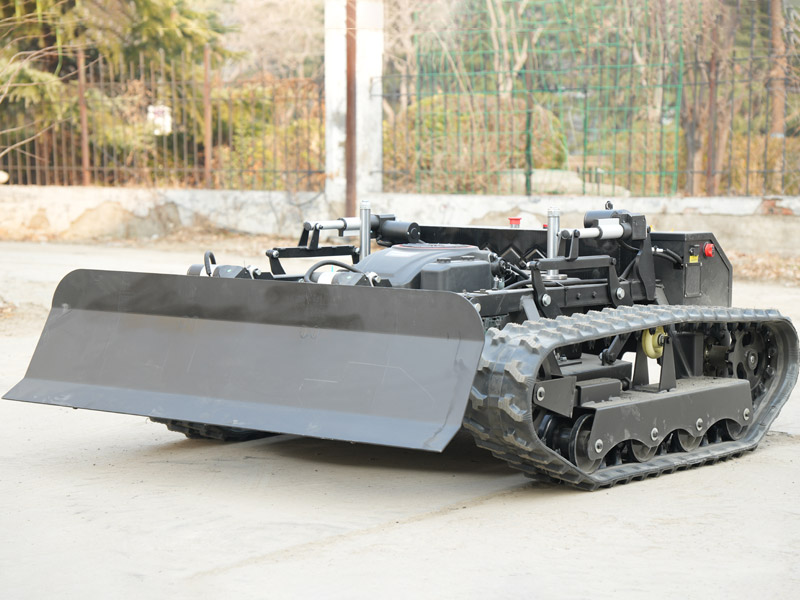
To start the lawnmower, place it on a flat surface, grip the handles firmly with both hands, press the ignition switch, pull the starter rope to ignite the engine, let it idle for 1-2 minutes to warm up, and then slowly push it forward.
During operation, maintain a distance of at least 30 centimeters between the machine and obstacles such as rocks and tree roots. Adjust the travel speed according to the terrain and grass density; use a low speed for tall, dense grass or uneven terrain, and a high speed for smoother surfaces. If the grass stems are too long, harvest in two stages, with each cut not exceeding 2/3 of the blade diameter. Maintain a constant speed and travel in a straight line, operating slowly when turning. Operation on slopes steeper than 25 degrees is strictly prohibited to avoid machine damage or operator slipping. Constantly observe the surrounding environment during operation, and prevent unauthorized personnel from approaching. If encountering debris, immediately stop the machine for inspection; never attempt to adjust or repair the machine while it is running.
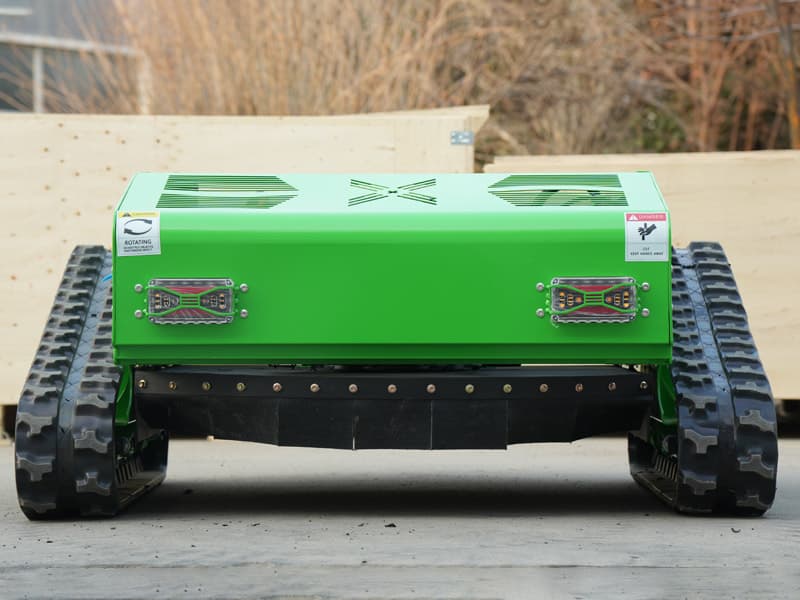
After finishing work, first turn off the engine. Once the blades have completely stopped, clean up the grass clippings, check the wear on the drive belt, and clean and disinfect the blades and chassis, especially during seasons prone to lawn diseases. Regularly check the blade wear and sharpen or replace them as needed. Store the lawnmower in a dry, well-ventilated place. Furthermore, avoid operating in rainy weather or on damp lawns to prevent short circuits in the motor; before long-term storage, drain the fuel and lubricate the metal parts.
Following these methods and precautions will ensure a neat and aesthetically pleasing lawn mowing, safe operation, and long-term stable performance of the lawnmower.